

Hey there! As a supplier of Flanged Gate Valves, I've seen firsthand the impact that water hammer can have on these essential pieces of equipment. In this blog, I'm gonna break down what water hammer is, how it affects flanged gate valves, and what you can do to prevent potential issues.
What is Water Hammer?
Let's start with the basics. Water hammer, also known as hydraulic shock, is a pressure surge or wave caused when a fluid (usually water) in motion suddenly stops or changes direction. Picture this: you've got water flowing through a pipeline at a certain speed. When you quickly close a valve, like a flanged gate valve, the water's momentum doesn't just stop instantly. Instead, it creates a shockwave that travels back and forth within the pipe. This shockwave can cause a sharp increase in pressure, sometimes reaching levels much higher than the normal operating pressure of the system.
You might be wondering how common this is. Well, it can happen in all sorts of plumbing and industrial systems. For example, in a large building's water supply system, if a big valve is closed too quickly, water hammer can occur. It can also happen in industrial settings where there are large pipelines transporting water or other fluids.
How Water Hammer Affects Flanged Gate Valves
Now, let's get into how water hammer impacts flanged gate valves. These valves are designed to control the flow of fluids in a pipeline, and they're pretty robust. But water hammer can put a lot of stress on them.
Structural Damage
One of the most obvious impacts is structural damage. The sudden pressure surge from water hammer can cause the valve body to crack or deform. Flanged gate valves have a gate that moves up and down to control the flow. The force from the water hammer can bend or break this gate, making the valve ineffective. It can also damage the valve's seals. If the seals are compromised, it can lead to leaks, which can be a big problem, especially in industrial settings where leaks can cause environmental issues or result in the loss of valuable fluids.
Wear and Tear
Water hammer also accelerates the wear and tear of flanged gate valves. The repeated stress from the shockwaves can cause the internal components of the valve to wear out faster. For example, the valve stem, which is responsible for moving the gate, can experience excessive friction and wear. This can lead to problems with the valve's operation, such as difficulty in opening or closing. Over time, this increased wear and tear can reduce the lifespan of the valve, meaning you'll have to replace it more frequently.
Operational Issues
In addition to structural damage and wear and tear, water hammer can cause operational issues. The sudden pressure changes can make the valve difficult to control. You might find that the valve doesn't open or close smoothly, or it might even get stuck in a certain position. This can disrupt the normal flow of the fluid in the pipeline and can cause problems for the entire system. For example, in a water treatment plant, if a flanged gate valve is affected by water hammer and can't operate properly, it can impact the treatment process and the quality of the treated water.
Preventing Water Hammer in Flanged Gate Valves
So, what can you do to prevent water hammer from affecting your flanged gate valves? Here are some tips:

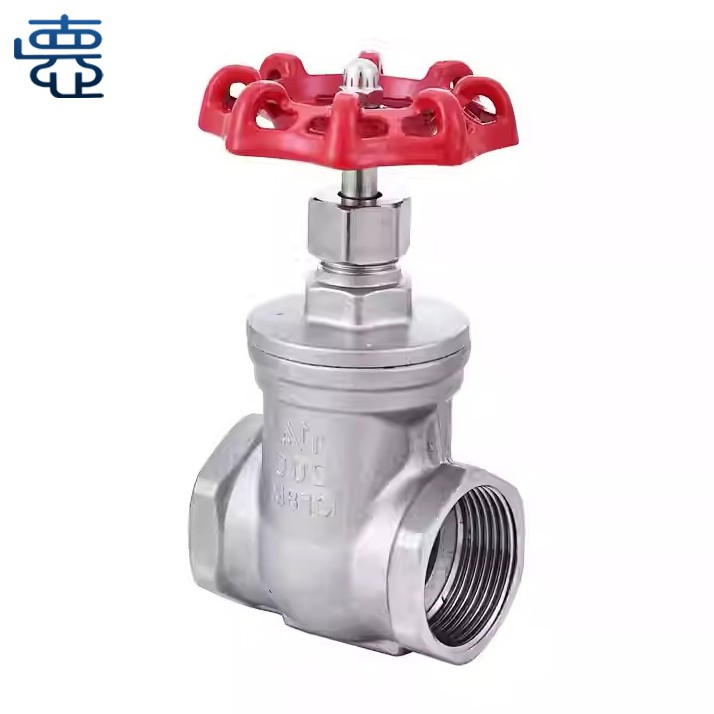
Slow Valve Operation
One of the simplest ways to prevent water hammer is to operate the valve slowly. Instead of quickly closing the valve, take your time to gradually reduce the flow. This allows the water in the pipeline to slow down gradually, reducing the likelihood of a sudden pressure surge. Many modern flanged gate valves are designed with features that allow for slow operation, such as adjustable stem nuts or actuators that can be programmed to open and close the valve at a controlled rate.
Install Surge Arrestors
Another effective way to prevent water hammer is to install surge arrestors in the pipeline. These devices are designed to absorb the shockwaves caused by water hammer. They work by providing a cushioning effect, allowing the excess pressure to be dissipated safely. Surge arrestors can be installed near the flanged gate valve or at strategic points in the pipeline to protect the entire system.
Proper System Design
Proper system design is also crucial in preventing water hammer. This includes sizing the pipes correctly, ensuring that the flow rates are within the recommended limits, and avoiding sharp bends or restrictions in the pipeline. A well-designed system will minimize the chances of water hammer occurring in the first place.
The Importance of Choosing the Right Flanged Gate Valve
As a supplier, I can't stress enough the importance of choosing the right flanged gate valve for your application. Different valves are designed to handle different pressures, flow rates, and types of fluids. When you're selecting a valve, make sure to consider the potential for water hammer and choose a valve that can withstand the forces associated with it.
For example, if you're working in an industrial setting where there's a high risk of water hammer, you might want to choose a valve with a stronger body and more robust internal components. You can also look for valves that have features specifically designed to prevent water hammer, such as anti-surge mechanisms.
Other Types of Gate Valves
In addition to flanged gate valves, there are other types of gate valves available, such as Threaded Gate Valve and Socket Weld Gate Valve. Each type has its own advantages and disadvantages, and the choice depends on your specific application.
Threaded gate valves are easy to install and are suitable for smaller pipelines. They're often used in residential or small commercial applications. Socket weld gate valves, on the other hand, are more commonly used in industrial settings where a strong and reliable connection is required. They're welded to the pipeline, providing a leak-proof seal.
Conclusion
In conclusion, water hammer can have a significant impact on flanged gate valves, causing structural damage, wear and tear, and operational issues. However, by taking the right preventive measures, such as slow valve operation, installing surge arrestors, and proper system design, you can minimize the risk of water hammer and ensure the long-term performance of your valves.
If you're in the market for a high-quality Flanged Gate Valve or need more information about preventing water hammer, feel free to reach out. I'm here to help you find the right solution for your needs. Whether you're a small business or a large industrial operation, I've got the expertise and the products to meet your requirements. Let's work together to ensure the smooth and efficient operation of your pipeline systems.
References
- "Hydraulic Transients in Pipe Systems" by William Streeter and E. Benjamin Wylie.
- "Valve Handbook" by J. Paul Tullis.